The ‘Minimum Necessary’ Rule That Wasn’t Followed: A HIPAA Lesson in Information Discipline
In healthcare compliance, there are few principles as deceptively simple—and as frequently violated—as the “minimum necessary” standard under the Health Insurance Portability and Accountability Act (HIPAA). This rule requires that only the minimum amount of protected health information (PHI) necessary to accomplish a task be accessed, used, or disclosed. It sounds straightforward, yet in day-to-day operations, even well-intentioned staff can easily cross the line.
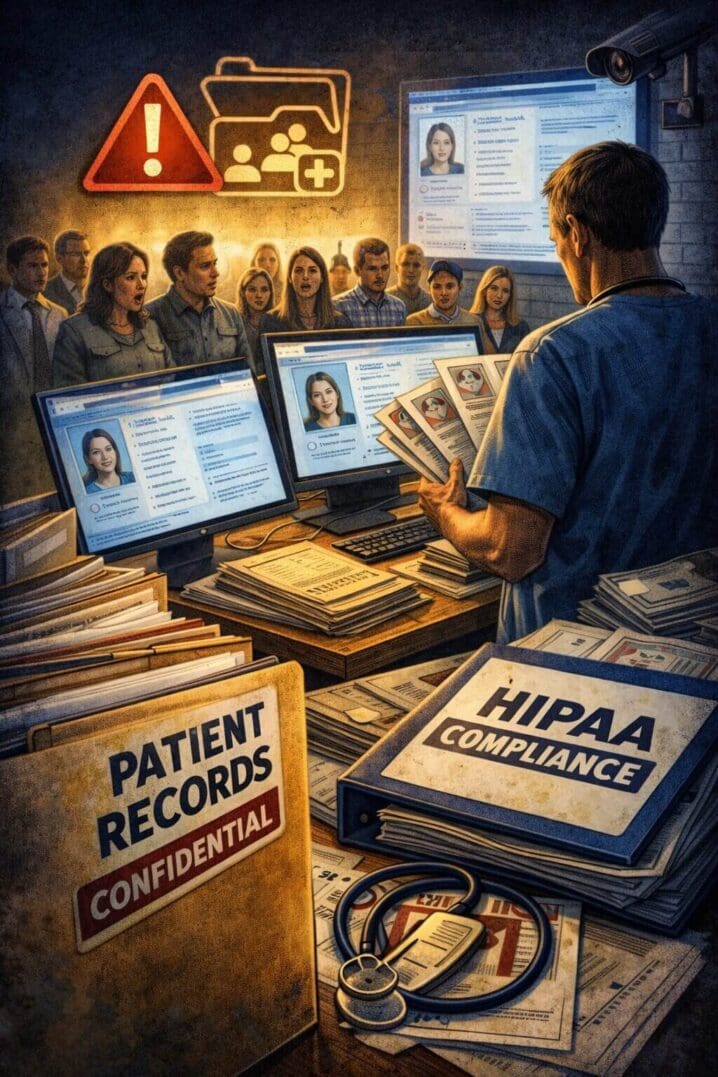
During a billing review at a rural clinic, a compliance officer discovered that a certain nurse routinely printed complete patient charts to assist with billing submissions. The problem? Only the visit summary containing procedure codes, dates of service, and physician documentation is required for the billing process.
By printing entire charts, the nurse inadvertently disclosed far more PHI than was needed. Although the information remained within the organization, HIPAA does not distinguish between “internal” and “external” when it comes to overexposure of PHI. Over-disclosure—even within a covered entity—can still constitute a breach of confidentiality if it exceeds what is necessary for the intended purpose.
Violating the “minimum necessary” standard can have serious consequences. Depending on the severity and scope of the incident, it may trigger mandatory breach notifications to affected patients, regulatory reporting to the U.S. Department of Health and Human Services (HHS) Office for Civil Rights (OCR), civil monetary penalties, and cause damage to patient trust that can ripple through a small community practice.
To address the issue, the clinic took a multi-layered approach: adjusted EHR settings to limit printing and define user permissions based on job roles; retrained staff on HIPAA’s minimum necessary rule; documented workflows to clearly outline which information is needed for each function; and audited chart access logs regularly to monitor adherence. This combination of technical safeguards and administrative processes not only mitigated future risk but also strengthened the clinic’s overall information governance practices.
Technology alone cannot prevent privacy breaches, and policies alone cannot enforce them. Sustainable compliance arises from the partnership between training and technology. When organizations set clear access parameters, enforce role-based permissions, and reinforce expectations through education, they build a culture where privacy protection becomes instinctive.
Compliance Takeaway: Technology and training must work in tandem. Setting clear access rules and enforcing them protects patients, employees, and the organization.