
Uncategorized
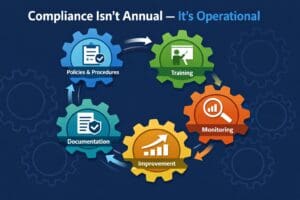
Compliance failures rarely happen because an organization lacks policies or training. They happen because compliance is treated as an event instead of a daily operational practice. Annual training. Annual policy review. Annual attestations. Meanwhile, compliance risk shows up every day—in how leaders answer questions, enforce expectations, and model behavior when no one is watching. Compliance…

When a whistleblower comes forward, the moment is pivotal—not just for the individual but for the entire organization. A single disclosure can illuminate serious risks, regulatory exposure, or ethical failures that leadership may not otherwise see. The Compliance Officer’s role is to manage this process with fairness, transparency, and confidentiality.Whistleblowers are often courageous advocates for…

When most healthcare leaders think about privacy breaches, they picture cyberattacks, password failures, or bad actors accessing electronic health records. But in many rural and small healthcare settings, the biggest risk isn’t online—it’s sitting in the trash. That’s exactly what happened at a rural clinic where outdated patient records were thrown into a standard, unsecured…
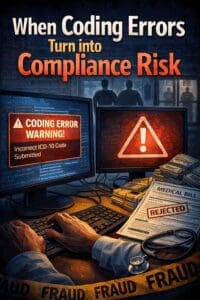
Coding accuracy is more than a billing function—it is a critical safeguard for healthcare compliance. When coding errors go unchecked, they can escalate quickly from routine mistakes into significant compliance liabilities. A recent case at a rural hospital highlights how easily this can happen. A routine internal Health Information Management (HIM) audit uncovered a pattern…
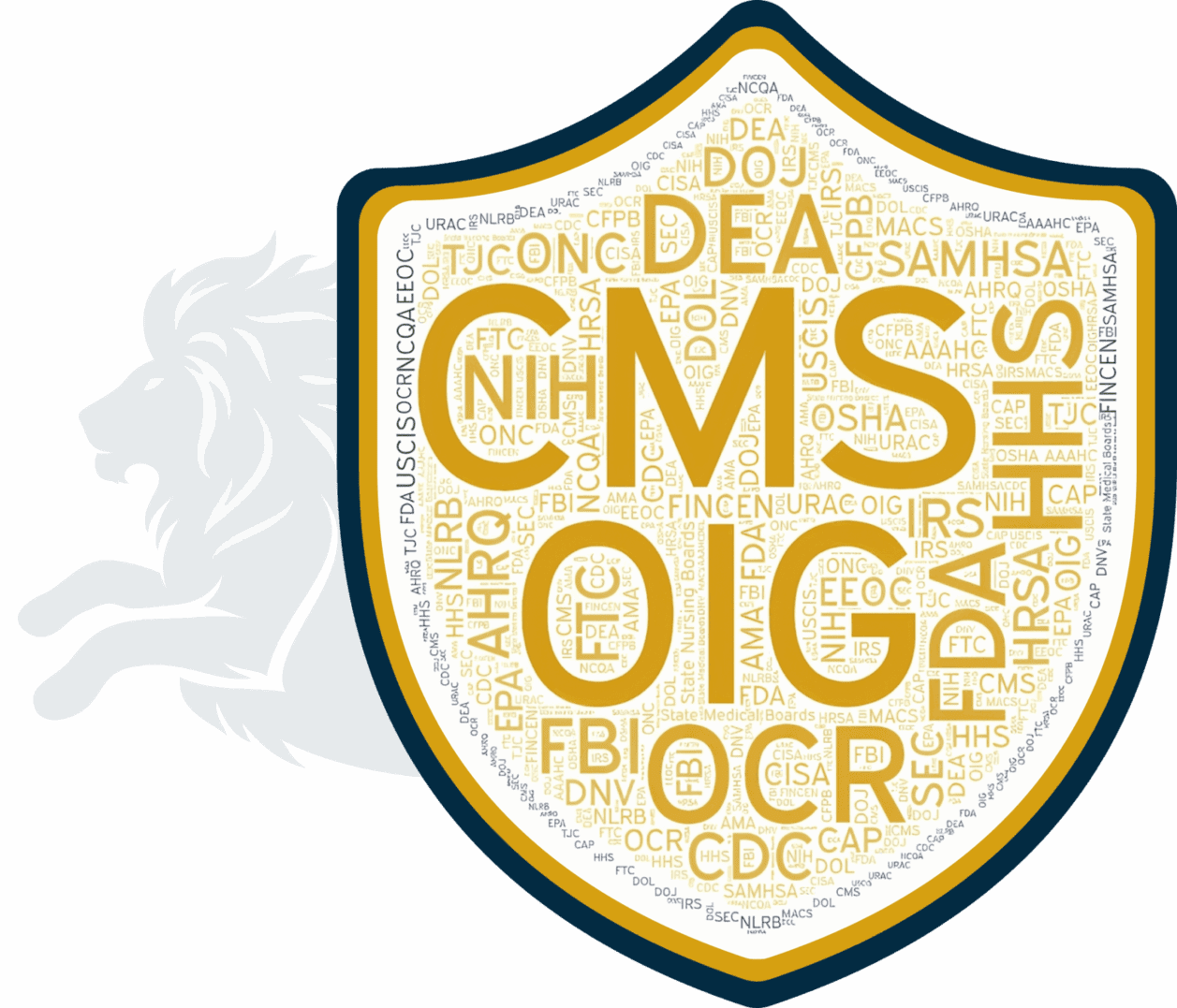
CMS — Centers for Medicare & Medicaid Services: Oversees Medicare, Medicaid, and CHIP; sets reimbursement rules and healthcare quality standards. OIG — Office of Inspector General (HHS-OIG): Investigates fraud, waste, and abuse in federal healthcare programs; issues compliance guidance. HHS — Department of Health & Human Services: Federal department responsible for public health, healthcare regulation,…

In healthcare compliance, there are few principles as deceptively simple—and as frequently violated—as the “minimum necessary” standard under the Health Insurance Portability and Accountability Act (HIPAA). This rule requires that only the minimum amount of protected health information (PHI) necessary to accomplish a task be accessed, used, or disclosed. It sounds straightforward, yet in day-to-day…

Why Getting Worker Status Wrong Can Put Your Practice at Risk In healthcare and small-business settings alike, it may seem harmless—and even financially savvy—to classify workers as independent contractors rather than employees. After all, contractors don’t require benefits, payroll taxes, or overtime calculations. But when the relationship functions like traditional employment, misclassification becomes more than…

Why Payroll Shortcuts Are Never Worth the Risk In many rural healthcare organizations, long hours are simply part of the rhythm of patient care. Medical assistants stay late to prep rooms, assist with procedures, or help the front desk close out the day. But when those extra hours go unpaid, or worse, unnoticed, the consequences…

In any organization, especially in healthcare, few HR responsibilities are more critical than preventing and responding to workplace harassment. Beyond the legal requirements, harassment prevention is a direct measure of organizational culture, leadership accountability, and employee trust. At a rural hospital, that trust was tested when a nurse stepped forward with a complaint of harassment.…
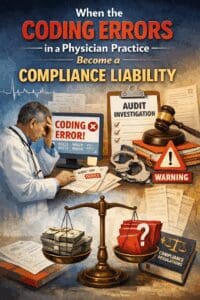
In busy physician practices—especially specialty clinics—coding often feels like just another administrative task squeezed between patient care and the day’s urgent demands. But when coding and documentation fall out of sync, the impact extends far beyond delayed claims or fluctuating revenue. Inaccurate coding can expose the entire practice to compliance risk, overpayment demands, and even…